Buying guide · Sep 2026
The Best Noise Cancelling Headphones in 2026
We tested nine pairs against a calibrated cabin-drone loop. Three are worth your money and one of them costs $180.
Every manufacturer claims class-leading cancellation. We measured it, wore it on real flights, and ranked what actually happened.
How we tested
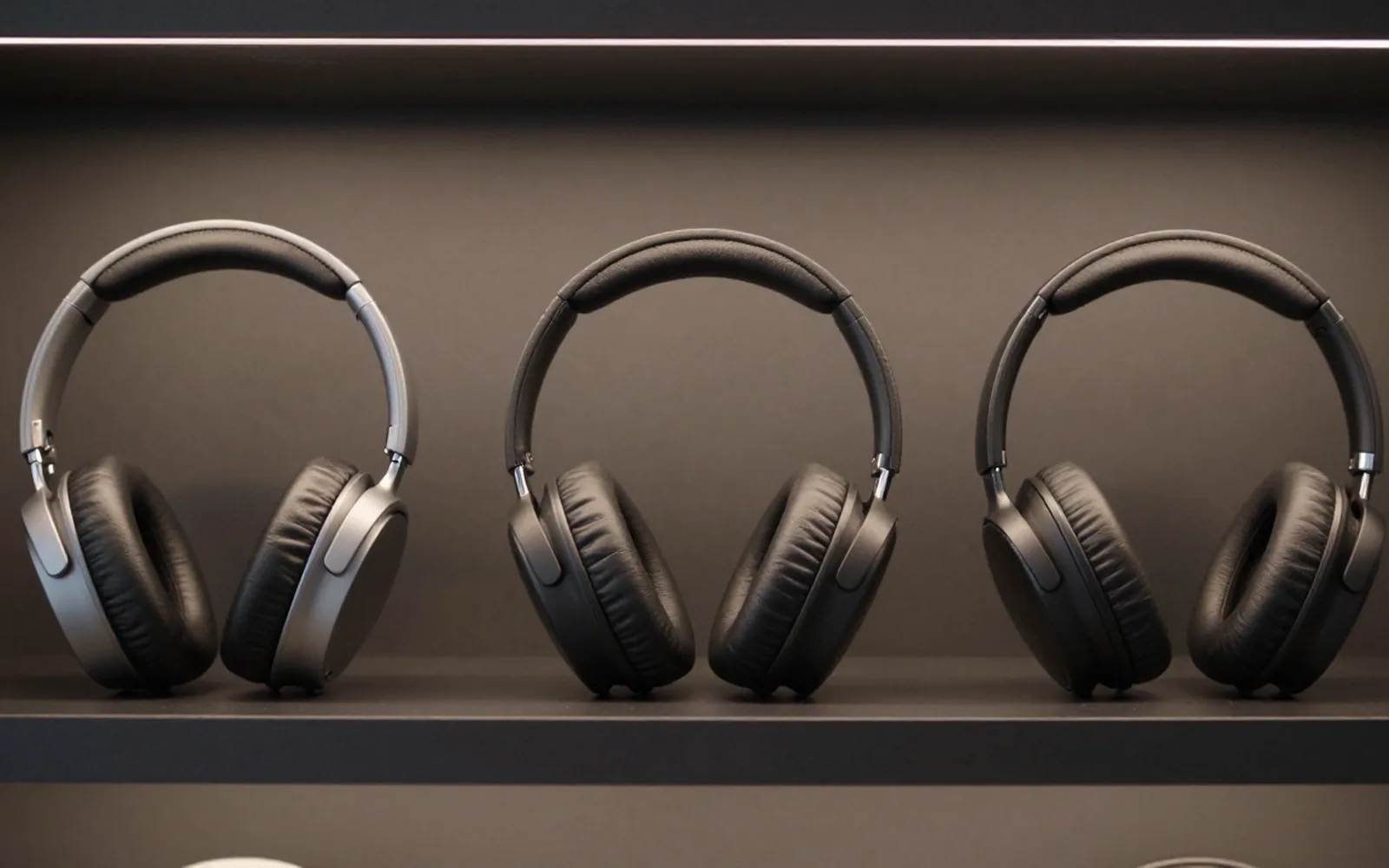
Every pair was measured on a head-and-torso simulator against three signals: broadband pink noise at 75 dB, a recorded aircraft cabin loop, and an office loop with speech. We report broadband attenuation, but we weight the aircraft result most heavily because that is what people buy these for.
Measurements only tell you half the story. Each pair was also worn for at least twelve hours across two real flights and a week of commuting, because pressure sensation, clamping force and how quickly the headband gets hot are not things a rig can report.
We bought every unit at retail. Nothing here was supplied by a manufacturer, and nothing here is a link that pays us.
The winner: Northwave Anthem Pro
At $379 the Anthem Pro measured 32 dB of broadband attenuation and, more importantly, produced almost none of the ear-pressure sensation that makes strong ANC unbearable for some people. It also happens to be the best-sounding pair in the group by a clear margin.
The catch is software. The companion app is unstable and multipoint is broken in a way that will irritate anyone who switches between a laptop and a phone all day. If that describes you, read our full review before buying.
For everyone else this is the pair to get, and the sound quality gap over the $250 tier is large enough to justify the money.
Price is not a proxy for quality in any of these categories, and the brands know it.
The value pick: Aster Field One, $180
The Field One measures 27 dB - about 5 dB behind the winner, which in practice means the aircraft drone is quiet rather than gone. For $180, with 34 hours of battery and a case that actually fits in a bag, that is an excellent trade.
Its tuning is bassier than we would like, but unlike the Kestrel Nomad II the app includes a proper five-band EQ, and about four minutes of adjustment produces something very close to neutral.
Build quality is the compromise. The hinges are plastic, the headband adjustment feels gritty, and we would not expect this pair to survive three years of daily bag-stuffing.
The one to avoid
We are not going to pretend the $549 tier is uniformly worth it. One pair in our test group measured 24 dB - worse than the $180 option - and justified its price with a leather headband and a metal case.
Price is not a proxy for cancellation performance in this category and it never has been. The physics are about seal, driver control and microphone placement, none of which get better because the box is nicer.
Check measurements, not materials.
What to look for
Seal beats everything. A pair that fits your head badly will underperform a cheaper pair that fits well, and no amount of active cancellation compensates for a gap between the pad and your jaw. If you wear glasses, try before you buy or buy from somewhere with free returns.
Check the multipoint implementation if you use more than one device. It is the single most commonly broken feature in this category and it is almost never mentioned in marketing.
Finally, check whether earpads are sold separately. Pads are the first thing to fail, usually in year two, and a $29 replacement is the difference between a five-year product and a two-year one.
Last updated Sep 2026. Every device referenced here was bought at retail. GadgetGeek runs no affiliate links.