Computing · Aug 2026 · Ranked 02 of 6
Volta Arc 14
9.0/10
The best 14-inch laptop you can buy right now
Sustained performance, real battery life and a display worth looking at. The port selection is the only genuine complaint.
Retail price tested $1,449
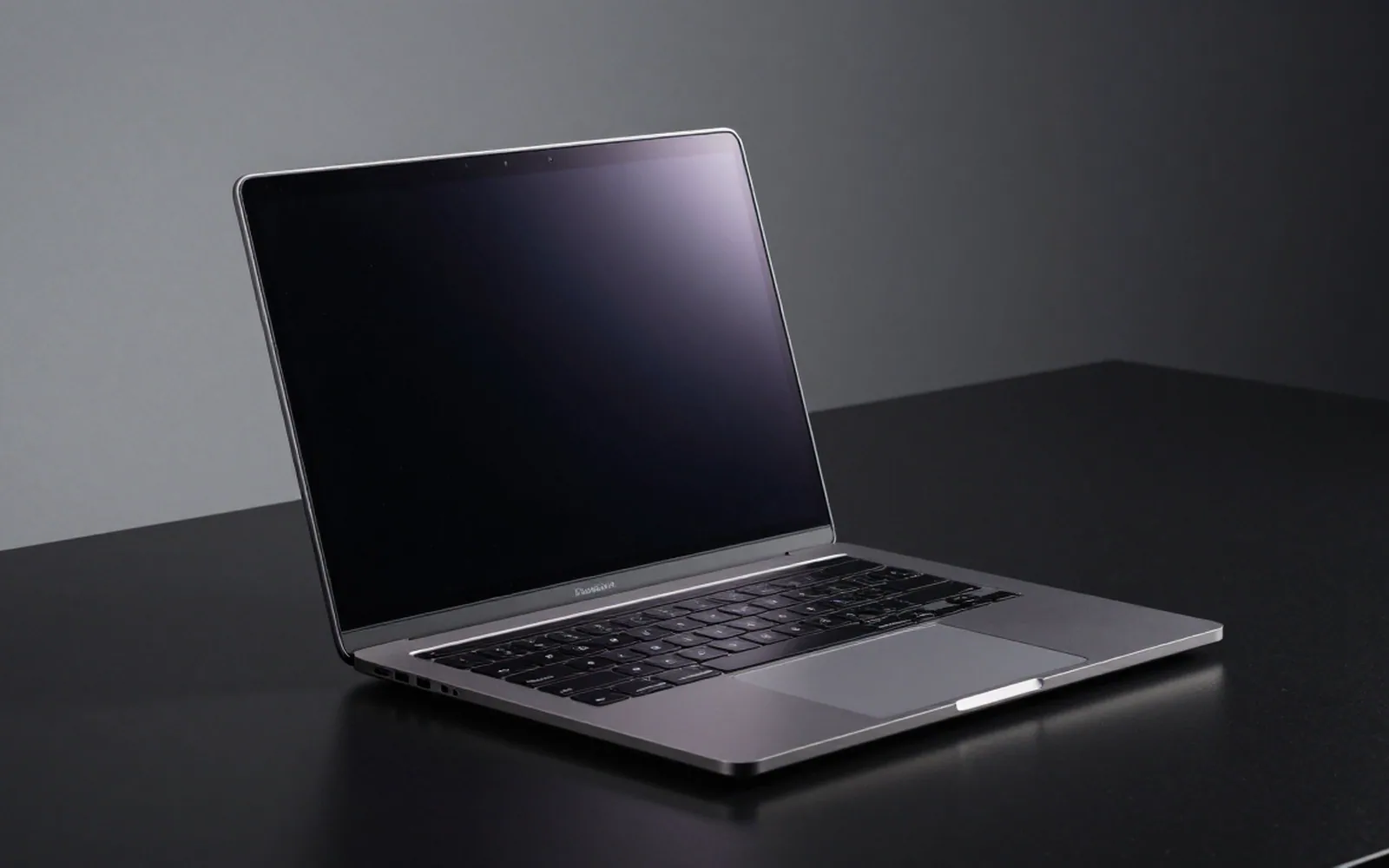
Volta's second attempt at a thin-and-light is the machine the first one was pretending to be: fast when you need it, silent when you don't, and unbothered by a full working day away from a socket.
Specifications
| Display | 14.2 in, 2880 x 1800, 120 Hz variable, 520 nits |
|---|---|
| CPU | Volta V9-880, 10 cores (4P + 6E) |
| Memory | 16 GB LPDDR5X soldered (32 GB option) |
| Storage | 1 TB NVMe, socketed M.2 2280 |
| Battery | 72 Wh, 65 W USB-C charging |
| Ports | 2x USB-C (both Thunderbolt), 3.5 mm |
| Weight | 1.32 kg |
| Chassis | Recycled aluminium, 15.9 mm thick |
| Price | $1,449 as tested |
What we liked
- 11 h 20 m of real mixed-use work, not a video loop benchmark
- Fan stays under 30 dBA during a 30-minute sustained compile
- 1.5 mm key travel with a firm, quiet bottom-out
- Repairable: 8 Phillips screws, socketed SSD, replaceable battery
What we didn't
- Two USB-C ports and nothing else, on a $1,449 machine
- Webcam is 1080p and still looks like a security camera
- Base model ships with 16 GB soldered RAM, 32 GB is a $250 upsell
- Chassis picks up fingerprints like it is being paid to
Battery life that survives contact with reality
Manufacturers quote battery figures from a looping video at 150 nits with the wireless off, which measures nothing anyone does. We ran our standard mixed-use test instead: 40 browser tabs, a video call every 90 minutes, a code editor with a language server running, screen at 300 nits.
The Arc 14 managed 11 hours 20 minutes. For context, the machine it replaces did 6 hours 15 on the same test, and the closest competitor we have measured this year did 8 hours 40.
Charging is 65 W over USB-C, which takes it from 10 to 80 percent in about 55 minutes. There is no proprietary barrel connector, which means any decent 65 W brick or a laptop-capable power bank will do the job.
Performance and, more importantly, noise
Peak performance is competitive rather than dominant. In a 30-minute sustained compile the Arc 14 finished about 8 percent behind the fastest 14-inch machine in its price bracket, which nobody will notice.
What you will notice is that it did it at 29 dBA measured 30 cm from the keyboard. The competitor hit 44 dBA and put its exhaust directly onto the user's right hand. Volta uses a vapour chamber and two larger, slower fans, and the difference is the gap between a machine you can use in a quiet room and one you cannot.
Under light load the fans stop entirely and stay stopped. Surface temperature on the keyboard deck peaked at 38 degrees during the compile, warm but never uncomfortable.
A laptop that lasts a full day and never gets loud is worth more than a laptop that wins one benchmark and then throttles for the rest of the afternoon.
The display and the webcam
The panel is a 14.2-inch 2880 x 1800 IPS running at a variable 120 Hz, and it measured 520 nits at full brightness with a delta-E under 1.5 against sRGB out of the box. It is not OLED, so blacks are grey in a dark room, but it also has no risk of burn-in and it draws considerably less power at the mostly-white documents that make up real work.
The variable refresh rate is doing quiet work on the battery figures. Reading a static page drops the panel to 48 Hz without any visible transition.
The webcam is the low point of the machine. It is 1080p on paper and mushy in anything short of direct daylight, with aggressive noise reduction that turns hair into a solid mass. Volta has an excellent phone camera division. Somebody should introduce the two teams.
Ports, repairs and the long term
Two USB-C ports, both Thunderbolt, and a headphone jack. That is the entire selection on a $1,449 laptop in 2026, and one of those ports is occupied whenever you are charging. An SD slot and a single USB-A would have cost Volta almost nothing and saved everyone a dongle.
The counterweight is repairability, which is unusually good. Eight Phillips screws remove the bottom panel, the SSD is a standard M.2 2280 in a socket, and the battery is held by four screws and one connector rather than by adhesive strips that require a heat gun and prayer.
Volta publishes a service manual and sells replacement batteries, keyboards and displays directly. Five years from now, when the battery has degraded, this will be a $70 repair instead of a landfill decision.
Verdict
Nine out of ten. The Arc 14 wins on the things you experience every day - battery, noise, keyboard, repairability - and loses on things you can work around with a $40 hub and better lighting on video calls.
Buy the 32 GB model if you can stretch to it. The RAM is soldered, the base 16 GB is already tight for a machine you intend to keep for five years, and $250 now is cheaper than a new laptop in 2029.
If you need a lot of ports, a colour-critical OLED panel or the absolute fastest silicon at this size, look elsewhere. Everyone else: this is the one.
Reviewed Aug 2026. Unit purchased at retail for $1,449. GadgetGeek does not accept manufacturer loan units or affiliate commission.